
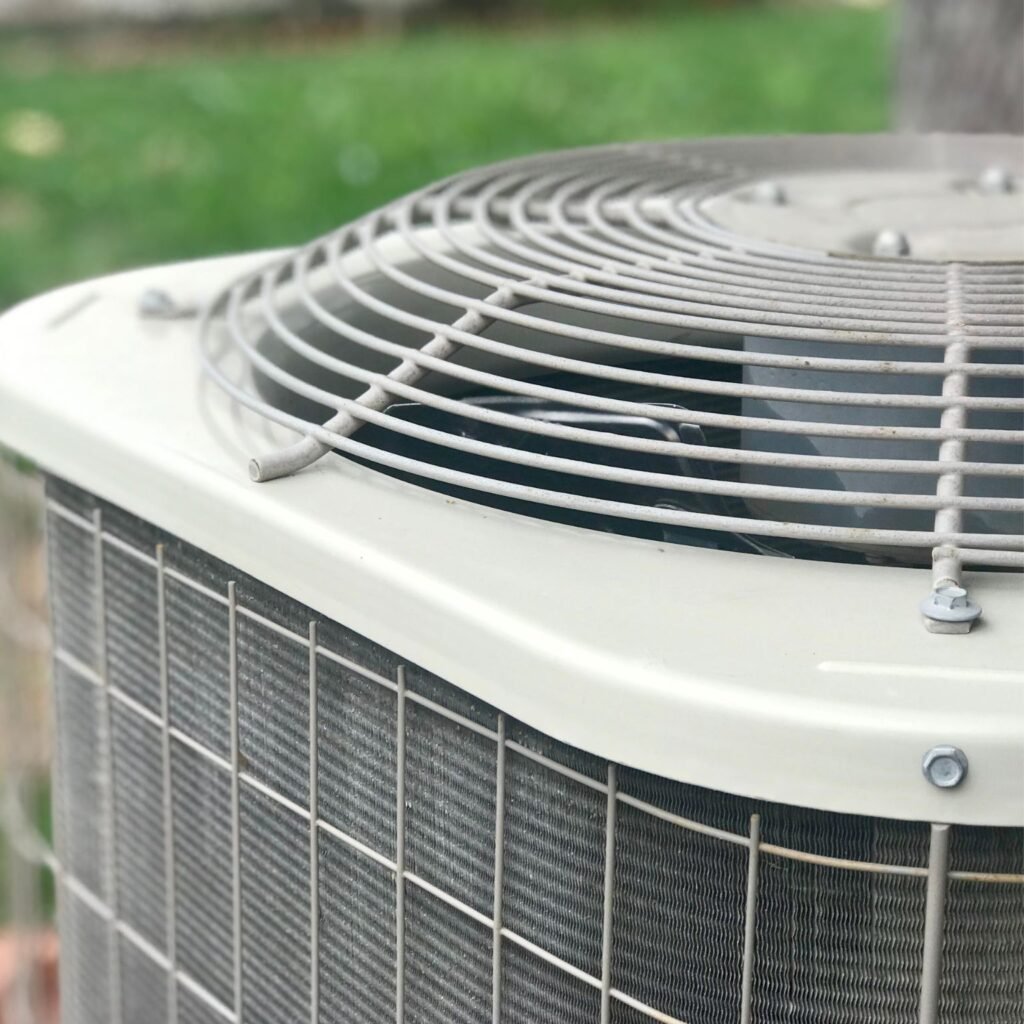
As the fall season begins, there are a few things in your home that might be changing as well. As the weather cools, you may start raising your home’s temperature. However, before you begin, there are some maintenance tasks you can DIY at home before calling for HVAC maintenance.
HVAC Preventive Maintenance:
The first step in preparing your furnace for the changing seasons is to replace your filter. Changing your filter matters because a dirty filter can increase energy costs and damage your system, which can eventually lead to system failure. To find the correct filter size, check the markings on the edge of your existing filter or look for a label near the filter slot inside your system. Usually, there will be three numbers showing length, width, and thickness (for example, 16x25x1). Replace your filter with one of the same size and type recommended for your system. If you have no pets in your home, change your filter every 90 days. If you have pets, change your filter every 30–60 days. For those with allergies or asthma, change your filter every 30 days for 1-inch filters and every 60–90 days for 4-inch filters.
The second step is to keep your vents clear. Blocked supply registers and return air vents can restrict proper airflow. Make sure to remove furniture, drapes, rugs, or anything else that could block your airflow. While keeping your vents clear, also make sure your outdoor and indoor units are free of obstructions. We recommend not using your furnace area as a storage space, keeping combustible items away from a gas furnace, and keeping your outdoor units clear by removing twigs, plants, weeds, and debris from the top. Lastly, perform a smell test for any unusual odors. If you notice any strange smells, especially those that may indicate a gas or oil leak, do not try to investigate gas or oil connections yourself. Instead, turn off your system immediately and call a licensed HVAC professional to inspect and address the issue. Safety tasks like checking gas or oil connections and resolving leaks should always be left to professionals.
In the fall months from late September to early November, it is usually the best time to call a professional to do furnace or heat pump maintenance. Seasonal maintenance helps keep your HVAC system running smoothly year-round. Here are the key steps homeowners should take each season to stay organized and proactive:
Spring:
– Replace or clean air filters
– Clear debris from outdoor units
– Check and clean vents and registers
– Schedule professional AC maintenance before summer heat
Summer:
– Continue to check and replace filters regularly
– Monitor for unusual noises or smells
– Keep outdoor units clear of grass and debris
Fall:
– Replace air filters
– Make sure vents and registers are unblocked
– Clear the area around your furnace or heating unit
– Schedule furnace or heat pump maintenance with a professional
Winter:
– Replace filters as needed, especially if you notice reduced airflow
– Watch for warning signs like cold spots or increased energy bills
– Keep vents and outdoor units free from snow or ice buildup
During your fall maintenance visit, we will inspect your furnace and/or heat pump to make sure it’s operating safely. It is important to schedule HVAC maintenance when you notice these four things:
Your energy bills are rising: If your usage is the same, an HVAC technician can spot small problems before they become costly.
Your comfort isn’t consistent: Walk around your home—do you notice any hot or cold spots? Calling an HVAC technician is the best way to address the potential problem.
You smell electrical burning: Turn your system off immediately and call a technician. A burning smell could mean your system requires immediate attention.
Your condenser unit fins are damaged: Bent or damaged fins on your air conditioner or heat pump can trap heat inside the unit, causing performance issues that can lead to a bigger failure.
What does HVAC preventive maintenance cost?
DIY HVAC maintenance usually starts at a very low cost since you probably already have most of the basic cleaning supplies at home. The main expense is typically a new air filter, which generally costs between $10 and $40 depending on the size and type. If you decide to schedule a professional seasonal HVAC maintenance visit, the average price ranges from $100 to $300 per visit. Costs for common repairs can vary, but minor fixes like replacing a thermostat may cost $150 to $350. Larger repairs, such as replacing a blower motor or other components, can range from $400 to $1,500. For a full HVAC system replacement, prices generally start around $5,000 and can go up to $12,000 or more, depending on your home’s size and system requirements. Always request a quote from your technician to get the most accurate estimate for your specific needs.